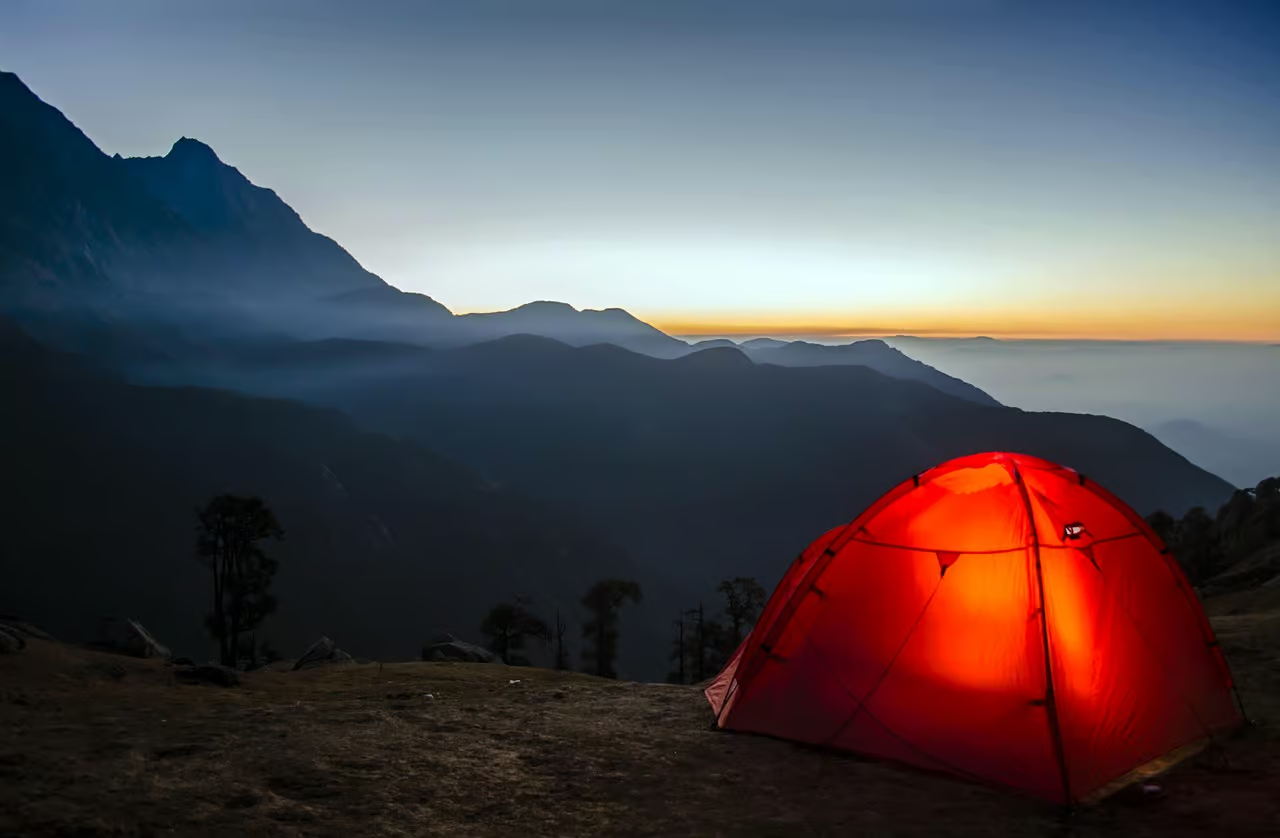
Orange tent glowing on a mountain shoulder at dusk above a sea of cloud
Home

Journal

Notes from the trail

Field notes, written on the way

Short notes from our guides on huts, weather, food, kit and the small things that make a walking day good.

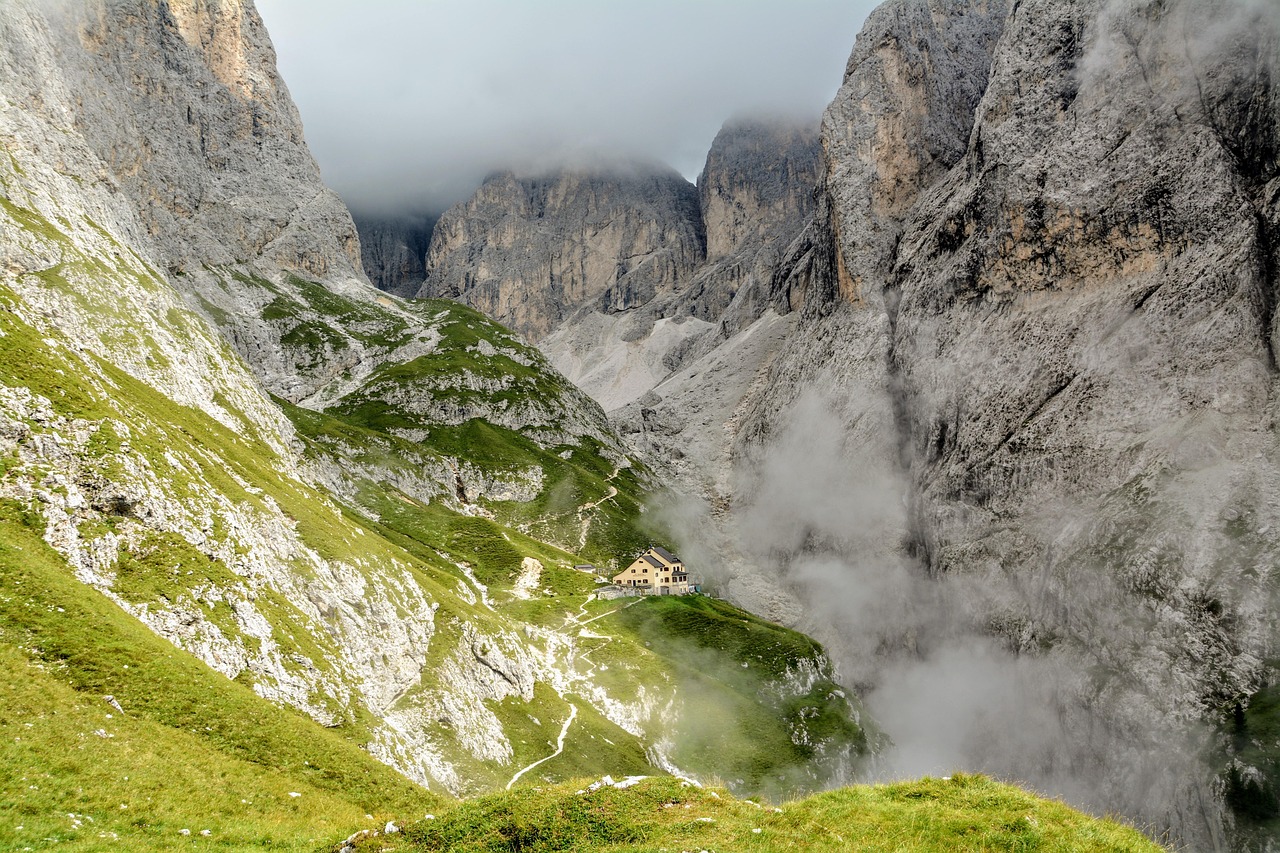
Mountain refuge on a green shelf below cloud-wrapped limestone walls

The second hut, day three

Field note

4 minute read, by our mountain lead

What a hut morning actually sounds like

Boots on wooden stairs at six, the kettle that never quite stops, and why the second breakfast sitting is the one to choose.

The first sound is always the stairs. Somebody keen is down at ten to six, trying to be quiet in boots, and failing. Then the kitchen: a kettle that is boiled and reboiled until the last walker leaves, and the hut keeper calling the bread order down the phone to the valley.

The first breakfast sitting is for the summit crowd, who eat standing up. We book the second. It is half an hour later, the coffee is fresher, and the sun is just reaching the terrace. You lose nothing on the day, and you start it warm.

Pack the night before, leave your boots on the rack by the door, and keep a head torch in your pocket. That is the whole secret of a good hut morning.
More notes

From the guides, between seasons

Short notes our guides write when the season ends. Read them for the details that never fit in an itinerary.

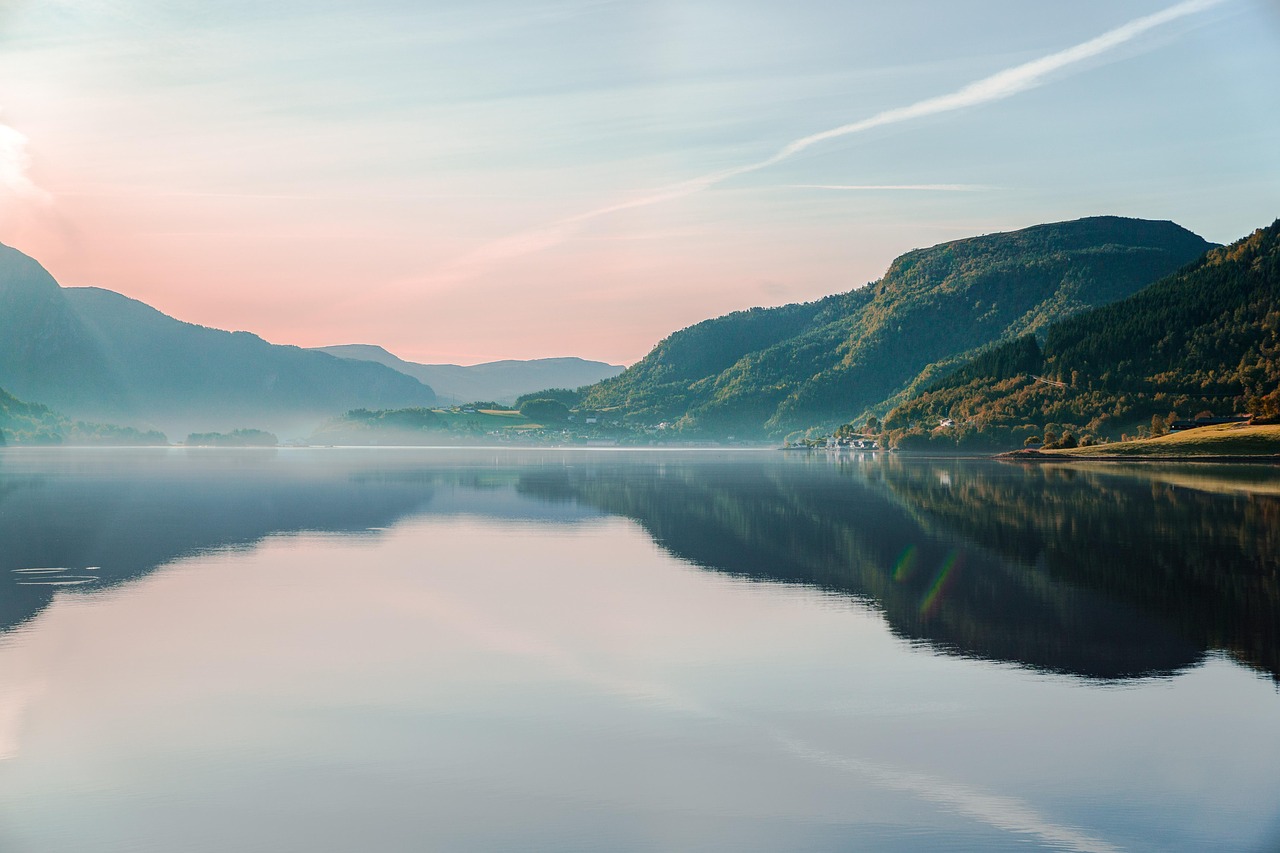
Still fjord at dawn reflecting green hills and a pale pink sky

Guide's note

3 minute read

Why we paddle before breakfast

Every morning on the fjord we are on the water by seven. By ten a breeze usually wakes up from the sea, and by noon it can push a short chop into the narrow arms where we paddle.

Early starts are not about toughness. They buy glassy water, seals on the rocks and a second coffee on the jetty while the wind does what it likes.

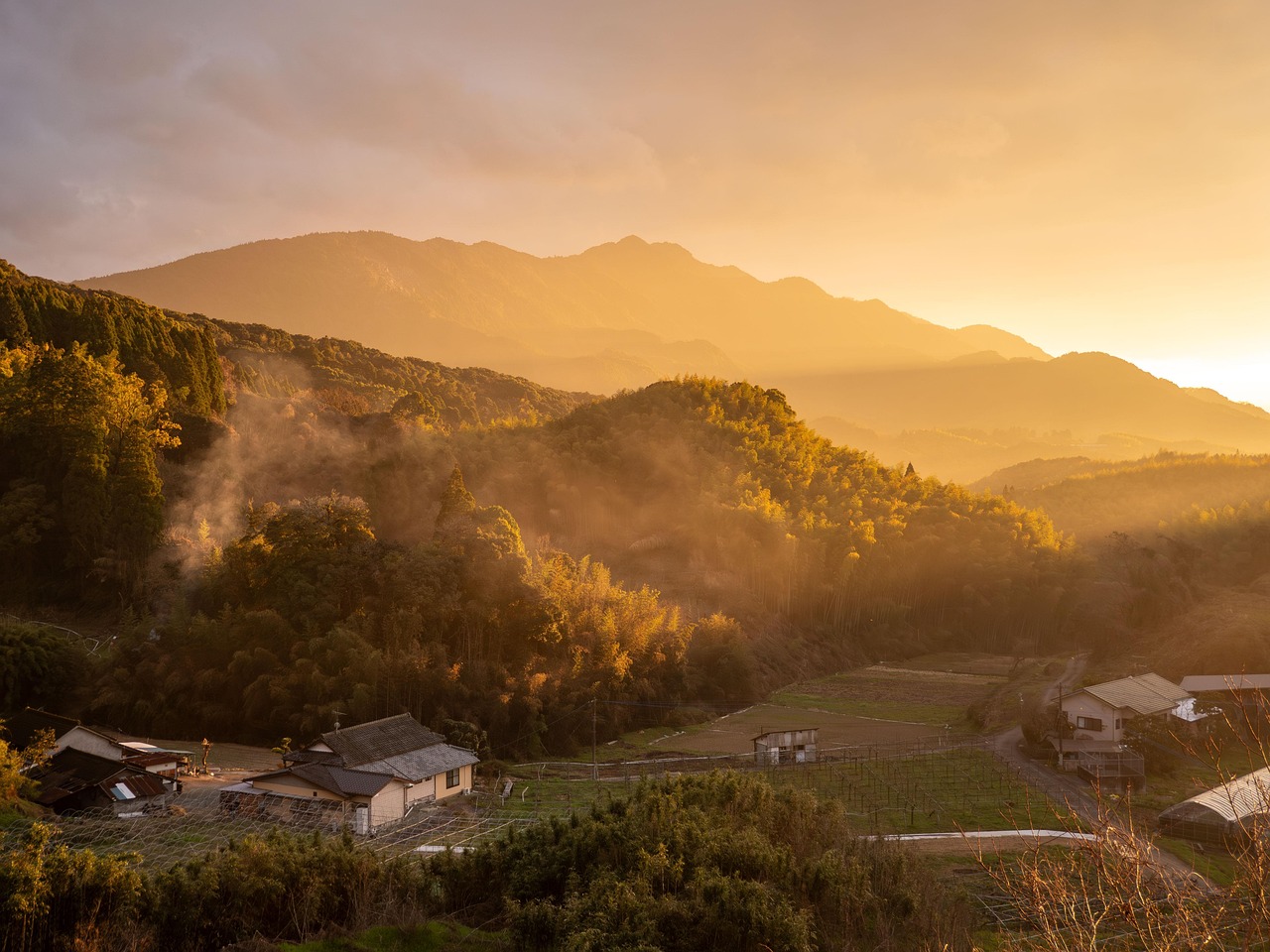
Golden morning light over forested hills and a small mountain village

Season note

5 minute read

The case for walking in late autumn

Late October and November in the Kii mountains are quiet. The maples turn, the cedar paths are dry, and the hot-spring villages are back to their own pace.

Days are shorter, so we start earlier and finish at the bath. Pack one warm layer more than you think, and do not miss the persimmons drying under the eaves.

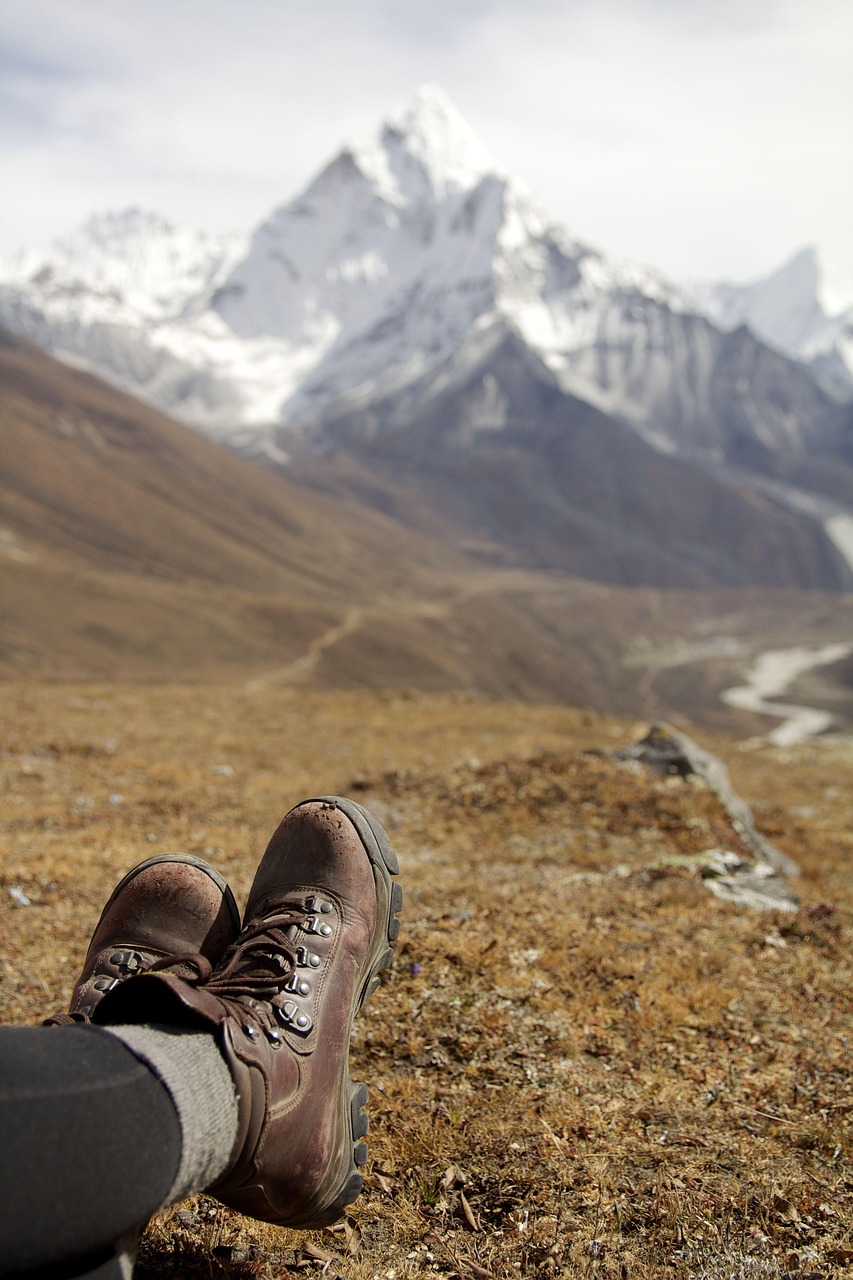
Walking boots resting on a rock with a snow peak beyond

Kit note

4 minute read

Packing light for a hut route

One pair of boots, worn in for at least three long walks. Three layers: a thin top, a warm fleece and a proper waterproof. A hat, gloves and a sleeping-bag liner for the huts.

Leave the second pair of trousers and the hardback book. Everything you carry is with you on every climb, so the list gets shorter each season.

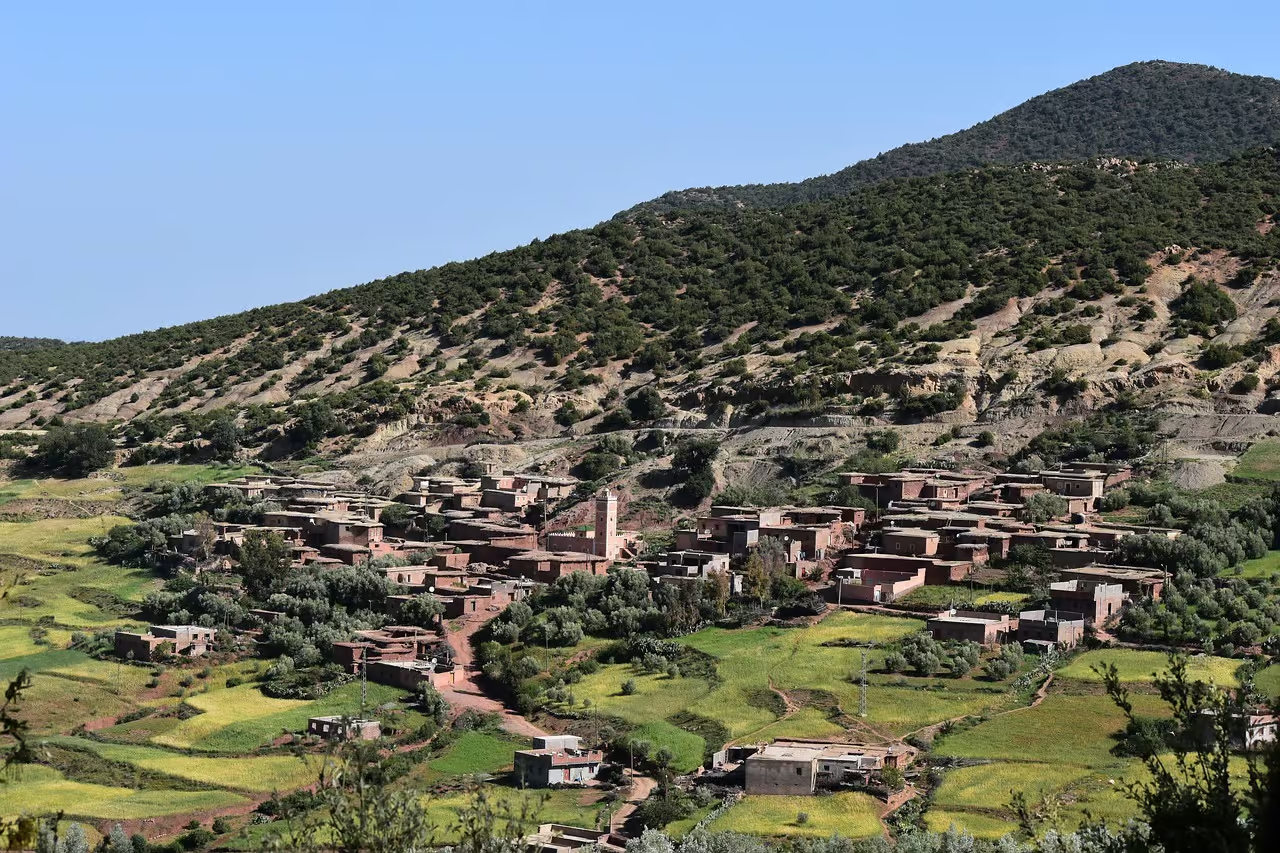
Earth-coloured village among green terraces on a wooded mountainside

Field note

4 minute read

Mint tea and the art of the slow pass

In the Atlas the guesthouse decides the pace. Lunch is three courses and mint tea, poured from a height, and nobody is in a hurry to start the afternoon.

We plan shorter days here on purpose. The mule bells set the rhythm, and arriving at a village at walking speed is the best way to be welcomed into it.

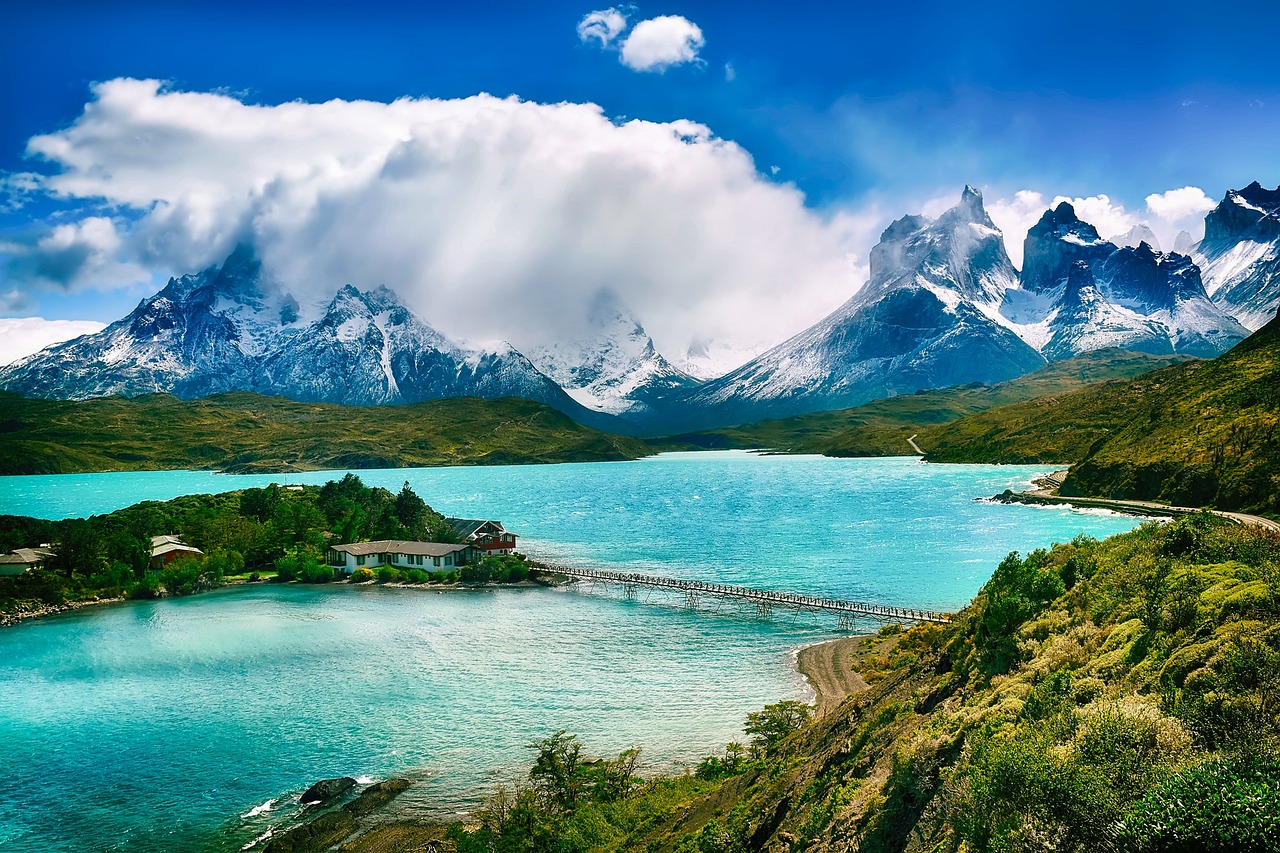
Turquoise lake below snow-capped granite peaks and white cloud

Guide's note

5 minute read

Reading the weather in the far south

In the far south it is normal to see four seasons before lunch. Our trek leader reads the clouds over the towers, the wind on the lake and the forecast, in that order.

Every journey has two spare days for weather. If the wind is too strong for the high viewpoint, we turn around and use one. Nobody has ever regretted it.

Next in the journal

The hut keepers' winter

What happens to a mountain hut when the last walkers leave in October, and why the keepers are the first people we call in spring.

Have a question you would like a guide to answer in a note? Write to the trip desk and we may turn it into the next one.

The short kit list

Eight things, and not much else

The list our mountain lead hands to every walker. Your full packing list arrives eight weeks before you go, matched to your journey and month.

  • Boots

    Worn in, with ankle support and a good tread

  • Waterproof jacket

    With a hood, not a shower-proof shell

  • Warm layer

    A fleece or light down jacket for evenings

  • Hut liner

    A silk or cotton sleeping-bag liner

  • Head torch

    For the stairs at six and the walk to the washroom

  • Day pack

    About 25 litres with a rain cover

  • Water

    Two bottles or a 1.5 litre bladder

  • Sun

    Hat, glasses and cream, even on cloudy days

A question for a guide?

Ask about boots, weather, fitness or the best month for a route. A guide answers personally, usually within a week.